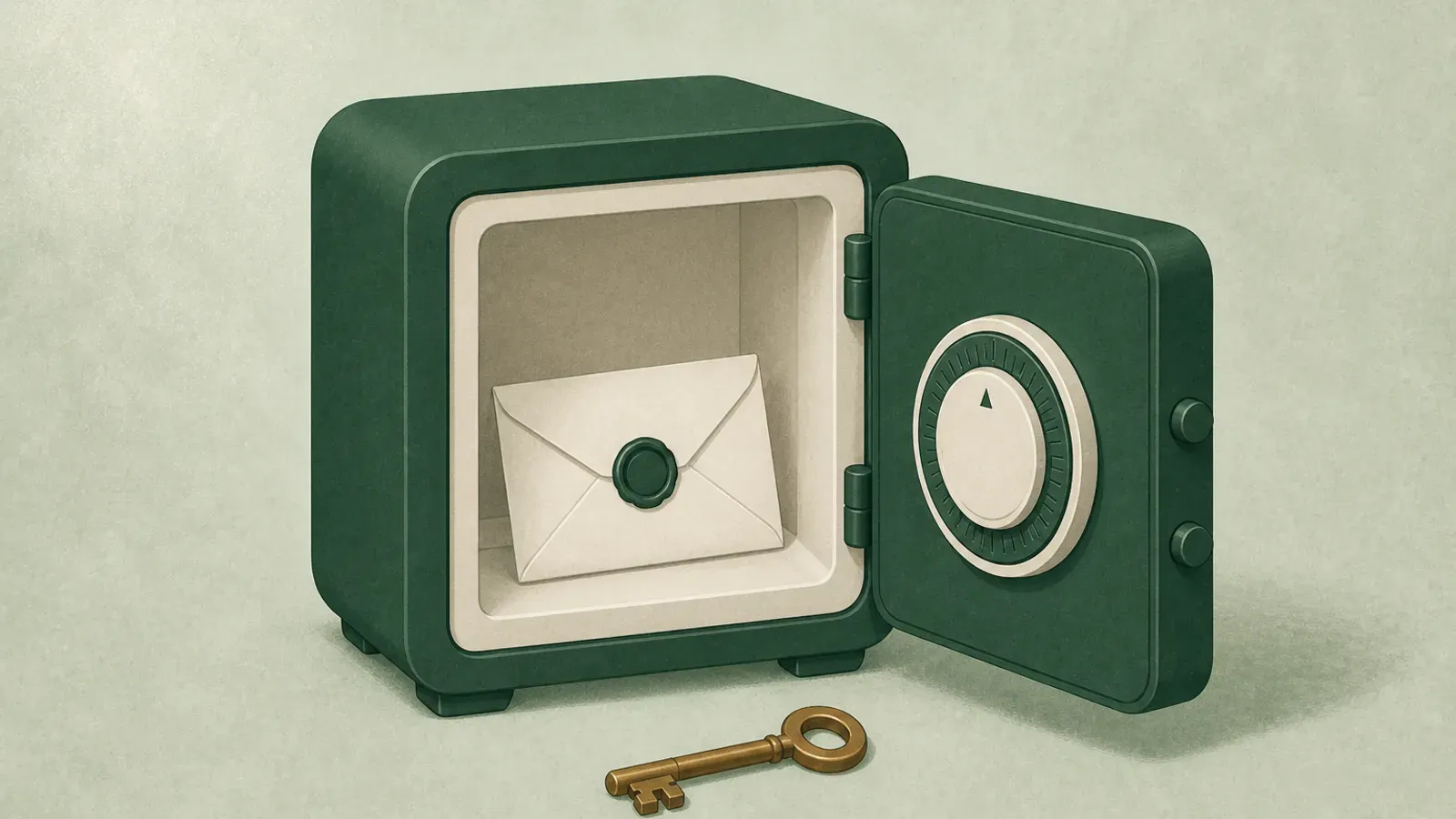
A finished will can still leave a family stuck at a lock screen.
The document may name who inherits the house, the accounts, even the hardware wallet. Monday morning still asks a different question: who can unlock the phone, reset the email, open the password manager, and reach the authenticator codes that sit behind every modern login.
That gap is what this post is for. It is written so an estate attorney or advisor can forward it without selling a product. HeirVault shows up once, at the end, as one optional place to leave sealed handoffs after the free tools are on.
Ownership is not access
Estate documents answer title. Digital life answers access.
Banks, brokerages, and utilities increasingly live inside apps. Those apps trust the phone first. If nobody can unlock the device, reset the email, or complete a two-factor prompt, ownership on paper does not open the account in practice.
Families feel this as delay and shame. Advisors feel it as a client conversation that never quite fits the will package.
The week-one stack
Most households lean on the same three layers.
The phone. Passcodes and biometrics gate email resets, banking apps, and authenticator prompts. A will does not unlock any of that.
Authenticator codes and passkeys. Passwords without codes are often useless. Codes and passkeys usually stay with the device or a platform account the heir cannot open.
The password manager. Emergency access tools from vendors like Bitwarden and 1Password can cover a large share of logins when they are set up. Many clients never turn them on. When they do, the leftover pieces still matter: the note that says where the will is, the bill that is not in the vault, the shared mailbox nobody claimed.
What free vendor tools already cover
Before another product, turn on what the client already pays for.
- Apple Legacy Contact can give trusted people a path into certain iCloud data after a death certificate, with the access key the owner set up. It does not hand over Keychain passwords.
- Google Inactive Account Manager can notify trusted contacts and share chosen data after an inactivity window, or delete the account.
- Password-manager emergency access lets a trusted person request the vault after a waiting period the owner sets.
Those tools are imperfect on purpose. They are still the right first hour of advice.
A short access plan beside the estate plan
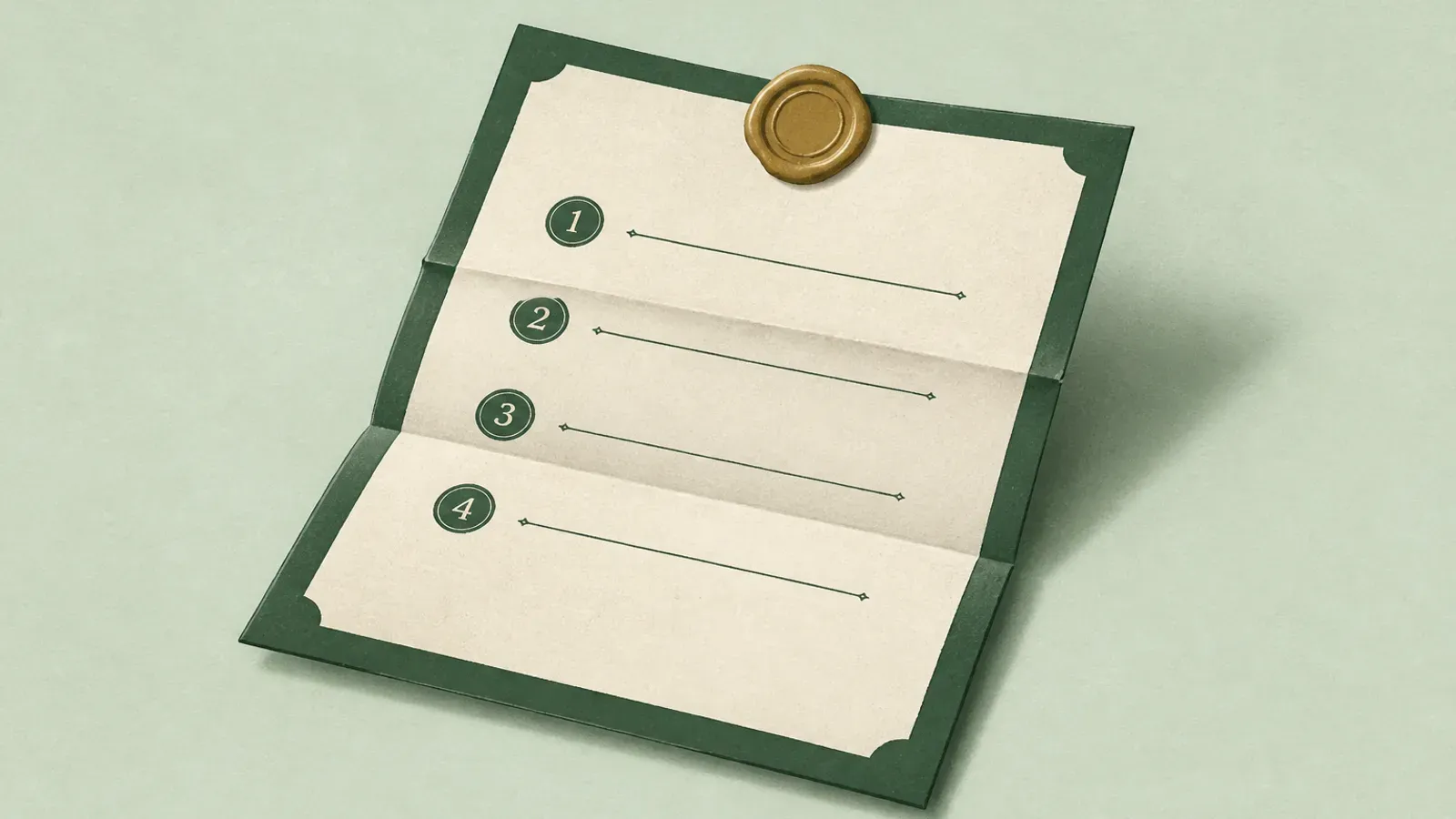
Clients do not need a second novel. They need one page that answers:
- Who may request release, and how they will recognize a real claim message.
- Where the letter of instruction lives (safe, folder, sealed item).
- Which vendor tools are already enabled (Apple, Google, password manager).
- What remains outside those tools, and who should receive which sealed handoff.
A letter of instruction is not a will. It is the Monday morning script: what to do first, who to call, what not to touch yet. Pair it with the vendor tools above.
Where HeirVault fits (softly)
HeirVault is an encrypted vault for documents, logins, and files that people you name can claim if you stop checking in. Check-in release uses a waiting period you control. It detects missed check-ins on your schedule. It does not claim to know when someone died.
The live vault encrypts in the browser before upload. That means HeirVault stores ciphertext and cannot decrypt the live vault. Some handoff modes use assisted delivery and are not end-to-end to the beneficiary alone. We say so in product copy because the boundary matters.
Use it after the free tools are on, for the remainder a will and a vendor emergency path still leave behind.
Checklist you can forward
- Confirm the phone unlock plan with the household.
- Turn on Apple Legacy Contact and/or Google Inactive Account Manager where they apply.
- Enable password-manager emergency access and tell the trusted person how a real request looks.
- Write a one-page letter of instruction.
- List the leftover items that still need a sealed handoff.
- Only then choose a vault product, if one is still needed.
If you want a calm starting list with no account required, use the digital estate checklist. For the release mechanism people often misname, read how a dead man's switch actually works. For the Monday morning page itself, see what to put in a letter of instruction.
This is general information, not legal advice. Rules differ by country and state. Talk to a qualified professional about your own situation.